
Simply Success Newsroom
Americans vote today in a midterm election that will decide more than who runs Congress. It will also shape the fate of the Protect College Sports Act, the sweeping NIL and revenue sharing bill that cleared the Senate 77 to 22 in September and now waits on a House that returns to work next week with only a few weeks left in this session.
If the House does not pass the bill and send it to the President before the new Congress is seated in January, the process starts over from scratch. That makes tonight's results the most important scoreboard in college sports this week.
A Senate Win, Then a Long Wait
The Senate approved the bill on September 28 after a string of procedural votes, according to the Senate Commerce Committee. Its chief author, Republican Sen. Ted Cruz of Texas, framed the moment plainly: "The era of NIL is here, and it is not going away."
The bill would put NIL rights into federal law, give the NCAA a limited antitrust exemption to enforce pay and eligibility rules, and allow athletes one transfer without penalty. As ESPN reported, it would also raise the current revenue sharing cap of roughly $21.5 million to roughly $49 million, with $5 million set aside for Olympic and nonrevenue sports. Power conferences would be capped at 20 schools, and agent fees on NIL deals would be capped at 5 percent, according to NPR.
Even supporters have called it a compromise. Democratic Sen. Maria Cantwell of Washington, the bill's coauthor, told ESPN: "It is not the final solution. It is putting a pin in the problem."
Why the Ballot Box Matters
The House has been in recess since the Senate vote, and ESPN reported it begins its next session November 9 with about five weeks of votes in November and December. That lame duck window is notoriously tight for any major legislation.
The politics are part of the story. A July memo from the Republican staff director of the Senate Commerce Committee, obtained by Front Office Sports, urged SEC leaders to back the bill before the midterms, warning that a Democratic House would push for employee status and collective bargaining instead. On the bill's hard cap on revenue sharing, the memo said: "It is the political limit of what can be enacted." A labor law professor quoted in the same report called the memo's warning overstated, noting that the Senate filibuster and a likely presidential veto would limit any alternative.
Outside money is flowing too. Front Office Sports found that sports team owners gave at least $100 million to House and Senate candidates this cycle, mostly to Republicans, based on Federal Election Commission records. That list includes Cody Campbell, the Texas Tech booster whose Saving College Sports group has rallied support for the bill. Separately, a new super PAC called College Sports United registered in September to pressure House members who oppose the bill. Its leader, Alex Fulton, said: "We are going to go to the constituents directly to apply pressure."
The Florida Factor
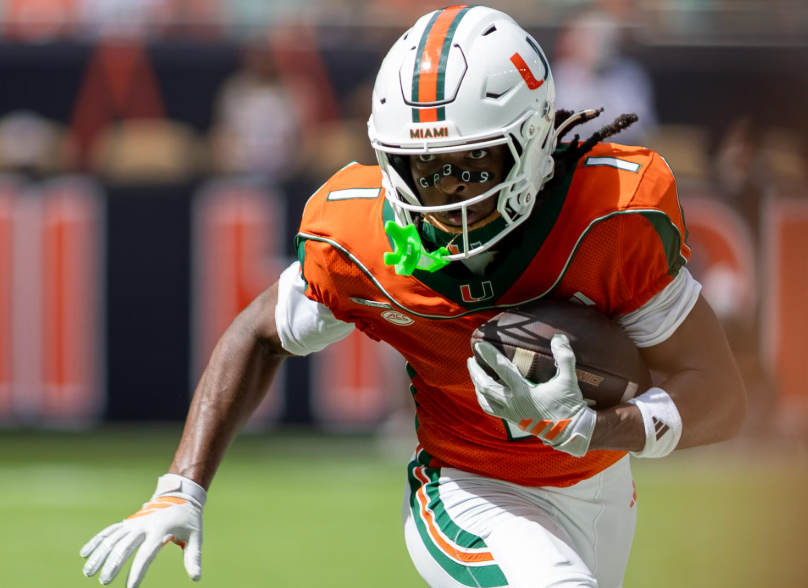
Florida has been at the center of this fight from the start. Republican Sen. Rick Scott voted against final passage over the bill's realignment limits, NPR reported. Sen. Ashley Moody voted yes after winning an amendment that raised the conference cap from 19 to 20 schools. In a statement from her office, Moody said "Increasing the conference cap from 19 to 20 was vital" for the state's universities, and named Florida State, Miami, and USF as vocal supporters of the change.
That detail matters. Schools that move between power conferences would face a three year waiting period as independents under the bill, a rule ESPN reported would expire after 2031. For programs in Tallahassee, Coral Gables, and Tampa weighing their conference futures, the final shape of this bill could influence their media value, their recruiting pitch, and their brand for years.
What It Means for Athletes and Brands
For athletes, the headline is stability. A federal law would replace a patchwork of state laws, court orders, and settlement rules with one national framework. It would also set firm limits on how much schools can pay, how often players can transfer, and how much agents can collect.
For brands, the questions are just as practical. A higher cap means more money moving through schools, and new certification rules for deals arranged through school media partners, described in the Commerce Committee memo, mean more review and more paperwork. Companies that work with college athletes should expect clearer guardrails, more scrutiny of school linked deals, and stronger demand for independent partnerships with real marketing value behind them.
If the bill dies in the lame duck, the current system continues: the House settlement, the College Sports Commission's review of deals, and a steady stream of eligibility lawsuits. That uncertainty itself carries a cost for every athletic department setting next year's budget.
What to Watch Next
Watch three things. First, which party wins the House tonight, and how that changes leadership's appetite for a vote. Second, whether the House takes up the Senate bill unchanged, since any amendment would send it back to the Senate with little time to spare. Third, how the bill's opponents respond, including the Congressional Black Caucus, the NAACP, and major labor groups, which NPR and others have reported oppose it.
The takeaway is simple. College sports has waited for one clear set of national rules since the NIL era began in 2021, and the answer may come down to a few weeks of House floor time after tonight's vote. Athletes, schools, and the brands that partner with them should plan for both outcomes, because the window to settle this in 2026 is closing fast.
Never miss a turn in the business of the game. Get our analysis on NIL, policy, and pro football delivered to your inbox. Join the Simply Success Sports newsletter.
Sources
- U.S. Senate Commerce Committee: Senate Overwhelmingly Passes Protect College Sports Act
- ESPN: U.S. Senate votes 77 to 22 to pass Protect College Sports Act
- NPR: The Senate passes the Protect College Sports Act, but the bill's future is unclear
- Front Office Sports: GOP Staffer Urged SEC to Support College Sports Bill Before Midterms
- Front Office Sports: Sports Owners Poured $100M Into Midterm Races
- Front Office Sports: Inside the First College Sports Super PAC
- Office of Sen. Ashley Moody: Senator Moody Defends Florida Universities, Expands Conference Cap Size to 20 Teams
Recent News
ALL RIGHTS RESERVED | SIMPLY SUCCESS SPORTS, LLC.
Legal Disclaimers: Editorial Policy | Corrections | Disclosures | Privacy Policy | Terms & Conditions